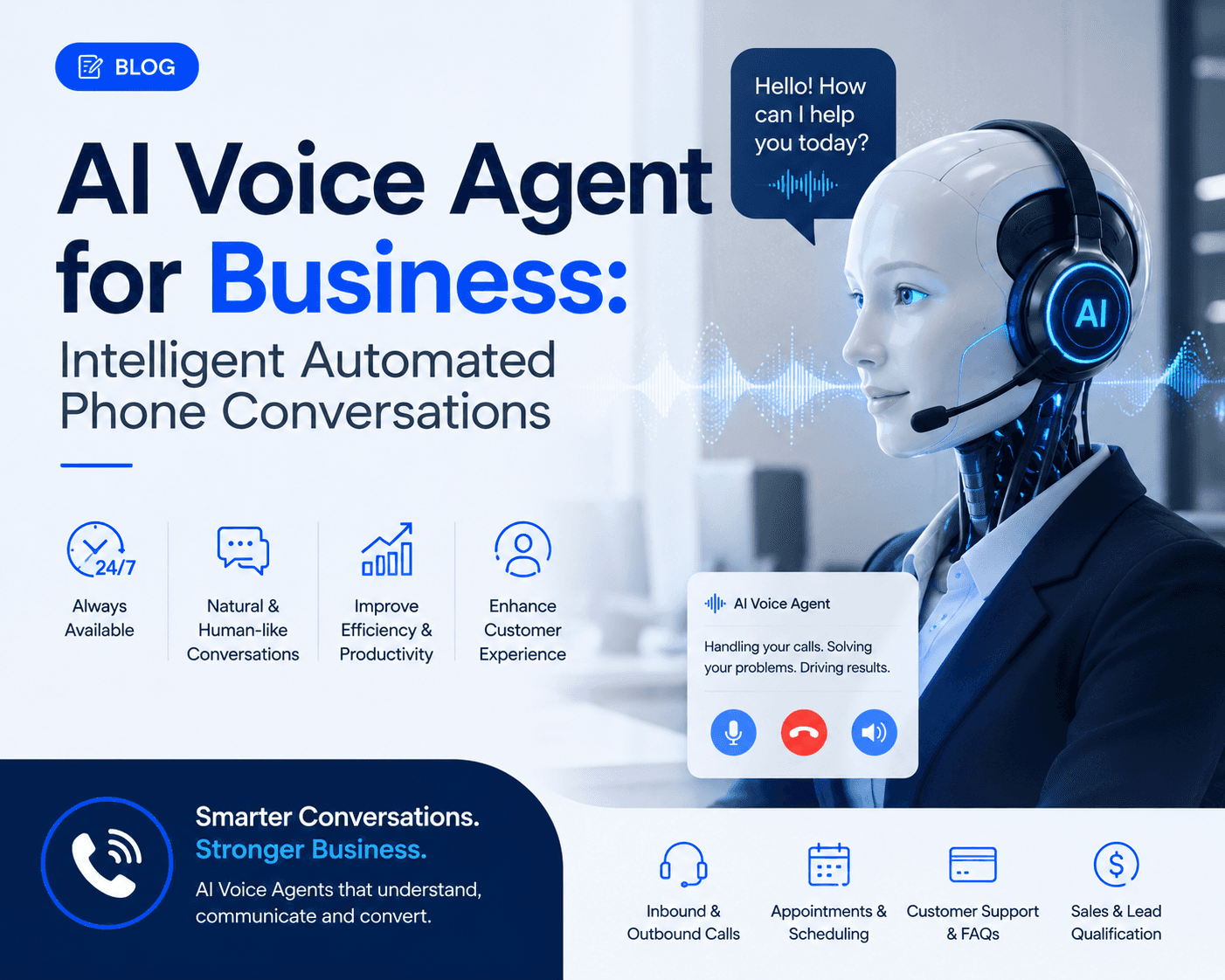
What Is AI IVR and How Does It Transform Customer Service?
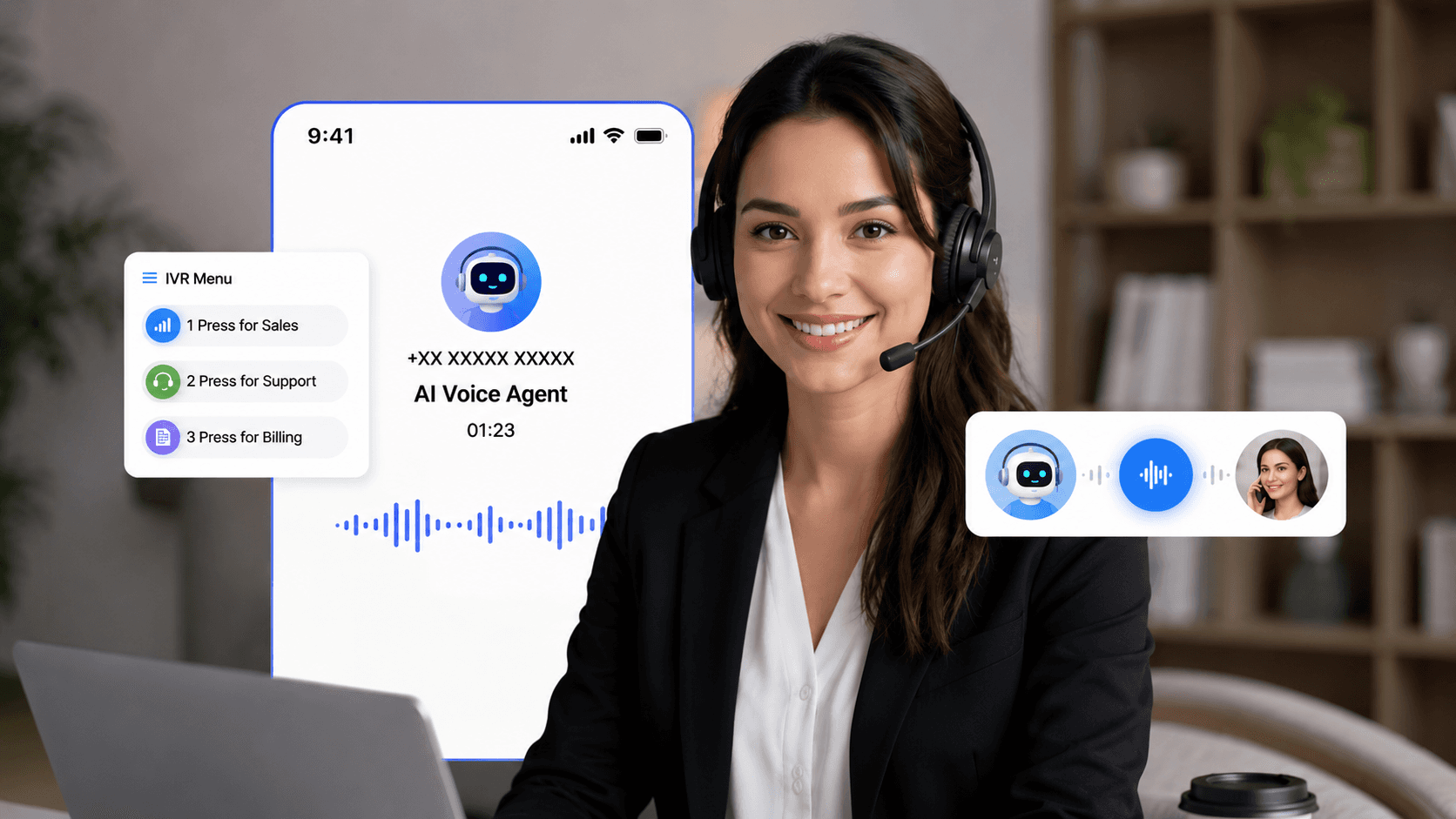
Most people have experienced a traditional IVR. You call a company, a robotic voice says press 1 for billing, press 2 for support, and you end up pressing 0 repeatedly trying to reach a real person. It is one of the most frustrating experiences in customer service.
AI IVR is something completely different. And if you are already running your business on a modern VoIP system, AI IVR is the upgrade that turns your phone system into an actual customer service asset.
What Is IVR?
IVR stands for Interactive Voice Response. At its core, it is a phone system that interacts with callers automatically before routing them to a person. Traditional IVR uses touch-tone menus, rigid scripts, and pre-recorded prompts.
The problem with traditional IVR is that it is designed around what is convenient for the business, not the caller. Callers have to fit their needs into whatever menu structure the company built. If their question does not match any option, they get stuck.
What Makes AI IVR Different?
AI IVR replaces the rigid menu structure with natural language understanding. Instead of pressing a number, callers just say what they need in plain English. The AI interprets what they said, understands the intent behind it, and routes the call or resolves the issue accordingly.
For example:
Traditional IVR: Press 1 for account balance, press 2 for payment, press 3 for technical support
AI IVR: The caller says "I was charged twice last week" and the system understands this is a billing dispute, pulls up the account, and either resolves it automatically or routes to the right agent with context already loaded
The difference in caller experience is significant. And the difference in resolution speed is even bigger.
How AI IVR Actually Works
AI IVR combines several technologies working together:
Automatic Speech Recognition (ASR) converts the caller's voice into text in real time.
Natural Language Processing (NLP) analyzes that text to understand what the caller actually means, not just the words they used.
Intent recognition maps what the caller said to a specific action or department.
Integration with your systems lets the AI pull up account data, check order status, or look up information without a human agent doing it.
Routing logic sends the call to the right person or team with full context already attached.
All of this happens in the first 10 to 15 seconds of a call.
What Can AI IVR Actually Do?
Depending on how it is configured, AI IVR can handle a wide range of tasks without any human involvement:
Answer frequently asked questions (hours, pricing, policies)
Check account balances or order status
Process simple transactions like appointment bookings or cancellations
Verify caller identity before transferring to an agent
Collect information upfront so agents are not asking the same questions
Detect caller sentiment and escalate frustrated callers to a senior agent
Handle after-hours calls and set expectations for callback
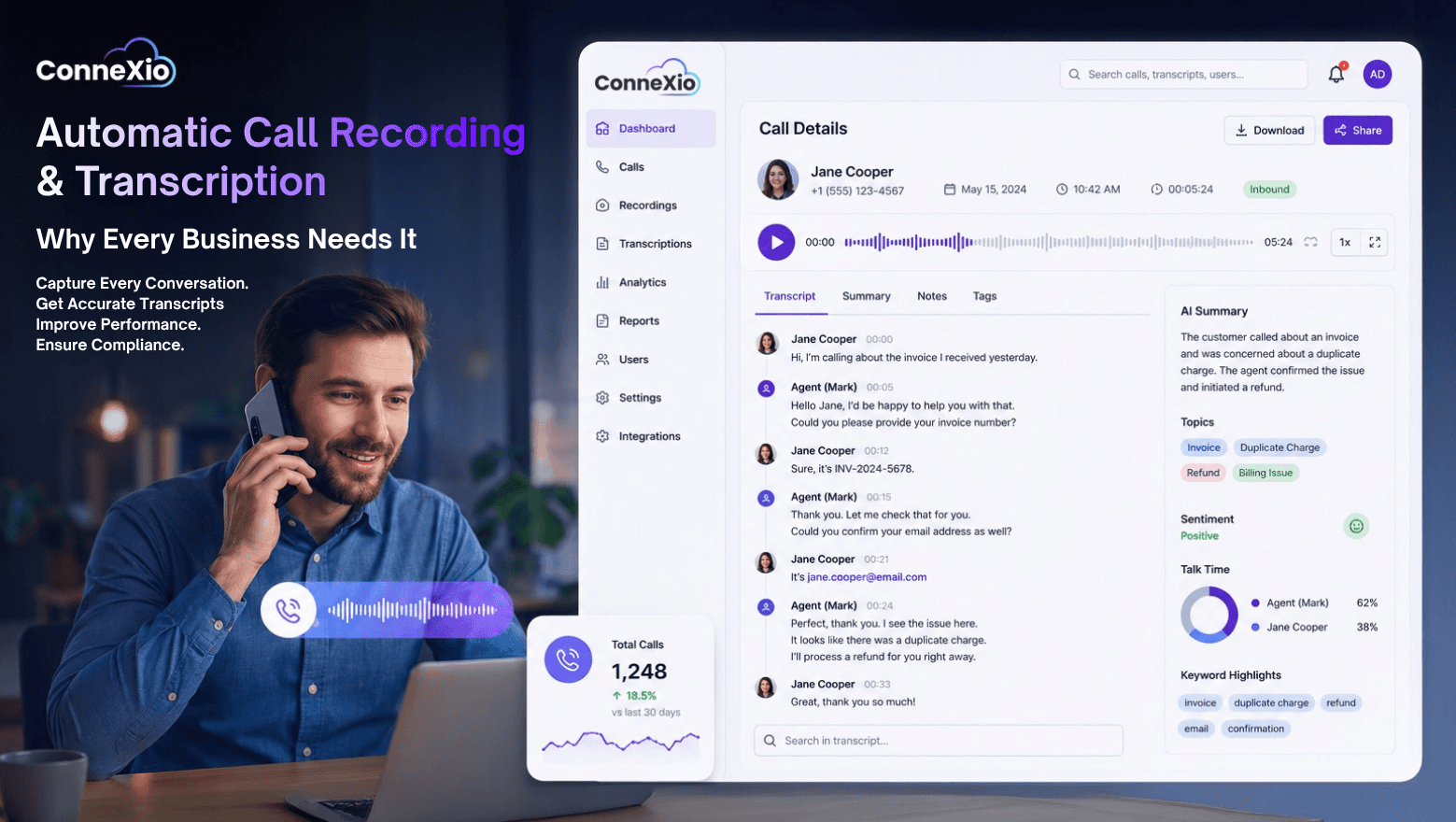
For calls that do need a human, the AI hands off with full context. The agent sees who is calling, why they are calling, and what the AI already did before the call reached them.
The Business Case for Small Teams
This is where AI IVR makes a real difference for small businesses. A 5-person team cannot afford to have someone answering routine calls all day. Every call that gets resolved automatically or triaged correctly before reaching your team saves real time.
Common Concerns About AI IVR
Will callers hate it? This is the most common concern. The answer depends entirely on the quality of the implementation. Poorly built IVR, AI or not, frustrates callers. Well-built AI IVR that actually understands natural language and resolves things quickly gets positive responses. The key is always having a clear path to a real person.
Is it hard to set up? Modern AI IVR platforms are designed for non-technical users. You configure intents, set routing rules, and connect it to your existing phone system through a dashboard. Most setups take a few hours, not weeks.
What about accents and dialects? Modern ASR systems handle a wide range of accents reasonably well. The major platforms have trained on massive datasets across English dialects. It is not perfect but it has improved significantly in the last few years.
Does it replace human agents? No. It handles the routine, repetitive calls so your agents can focus on the calls that actually need human judgment, empathy, and problem-solving.
What to Look for in an AI IVR System
If you are evaluating AI IVR for your business, here are the things that actually matter:
Natural language understanding, not just keyword matching
Easy integration with your CRM or help desk
Clear escalation paths to human agents
Analytics and reporting on what callers are asking
Ability to update and improve the system without a developer
Transparent pricing with no per-minute surprises
Is AI IVR Worth It for a Small Business?
For businesses that handle a consistent volume of inbound calls, yes. The time savings are real, the caller experience improves, and your team gets to focus on work that actually requires their skills.
The biggest mistake small businesses make is waiting until they are overwhelmed with call volume before setting it up. The right time to implement AI IVR is before it becomes a problem, not after.
ConneXio Cloud includes AI IVR as part of its unified communications platform. Natural language call routing, CRM integration, and sentiment detection are all included without needing a separate vendor.
🗓️
☎️
💬
All-in-one-Solutions!
Dialer, Omni-Channel Tools, CRM, Workforce Management, Real Time Analytics And More...
Comperation
Related Posts
Tips, product updates, and insights to help you get more out of ConneXio Cloud